October 2026 edition · Haight of Flavor
Haight of Flavor: October 2026New
Sweet potatoes, pears, and parsley welcome the fall season, with Tamara’s family recipe for Lebanese tabbouleh.
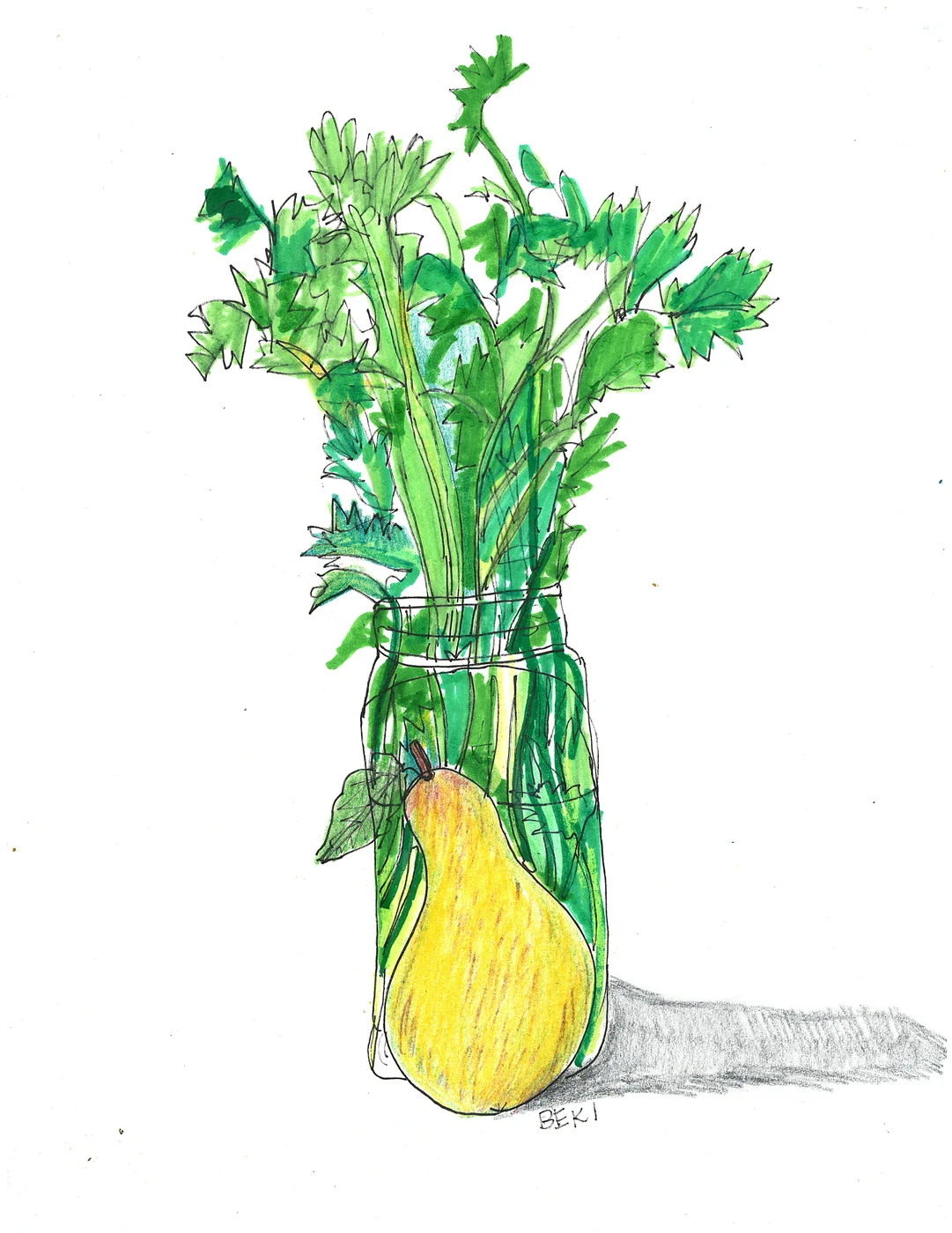
We have officially entered fall and with it comes shorter days, and the start of cooler weather. With our summer produce coming to an end, we have a whole new season of fruits and veggies to enjoy, many of which go well with what we call our “warming spices” – things like nutmeg, cinnamon, and ginger – that help to create a sense of warmth and comfort inside our bodies when we eat them. Two of the produce items highlighted this month go extra well with such spices, so be sure to stay warm and satiated this fall!
(Divis Famer’s Market: Sundays from 9am - 1pm in the DMV parking lot on Fell/Oak - open year round!)
Sweet Potato
These delicious tubers grow best in tropical weather, and are sown using cuttings rather than seeds. Sweet potatoes are botanically different from yams and come in a variety of colors. No matter the color, they are nutritionally dense and rich in fiber and many other nutrients. They can be roasted, sauteed, mashed, or added to a sweet treat to up those nutrients.
Pear
There are two main categories of pears: Asian, ready to eat immediately after being picked due to being tree-ripened, and European, which are picked before they are fully ripe and require time on the counter to ripen from the inside out. European pears tend to hold their shape more when cooked, while Asian pears are often crisper and slightly less sweet.
Parsley
This herb grows quite happily year round in the Bay Area, so to fight off the fall scaries (if you have such a thing) lets use it now! Parsley pairs well with light citrus flavors, and can brighten up a pasta dish or add a pop to buttery roasted veggies. My personal favorite way to eat parsley is in a Lebanese salad called Tabbouleh. You can think of it as one large chopped salad, and it makes an incredibly simple but delectable side dish. To go full Lebanese, I recommend pairing it with hummus, grilled chicken, or just scooping it up with pita or lettuce leaves. Adding cucumber to your Tabbouleh is common practice in Northern Lebanon, but the following recipe is the one that I grew up eating:
Tabbouleh
- 2 large bunches of parsley
- 4 medium tomatoes (any will work, but I especially like roma since they hold their shape)
- 3 - 4 stalks of green onion
- A couple sprigs of fresh mint
- ¼ cup bulgur
- ⅓ cup olive oil
- Juice of one freshly squeezed lemon
- Sprinkle of Lebanese 7-spice
- Sprinkle of salt
Wash the parsley, mint, and tomatoes. Bring to a paper towel and pat dry, then let them sit to dry while you prep the bulgur.
Soak the bulgur in a bowl with about half of the lemon juice and a sprinkle of salt. Let sit while you chop.
Cut the stems off the parsley, then chop finely. Spread the chopped parsley on paper towels and let rest for a few minutes to really get rid of excess moisture.
Cut the stems off the mint and finely chop the leaves. Spread on a paper towel like the parsley to let it dry. (Feel free to pat the herbs dry!)
Finely chop the tomatoes. I recommend straining them after you chop to get rid of excess juice.
Finely chop the onion, making sure to use only the green parts.
Once you are ready to serve, mix all the ingredients together in a bowl and add the spices, remaining lemon juice, and a healthy drizzle of olive oil. Feel free to add more salt to your taste preferences.
Serve and enjoy!